
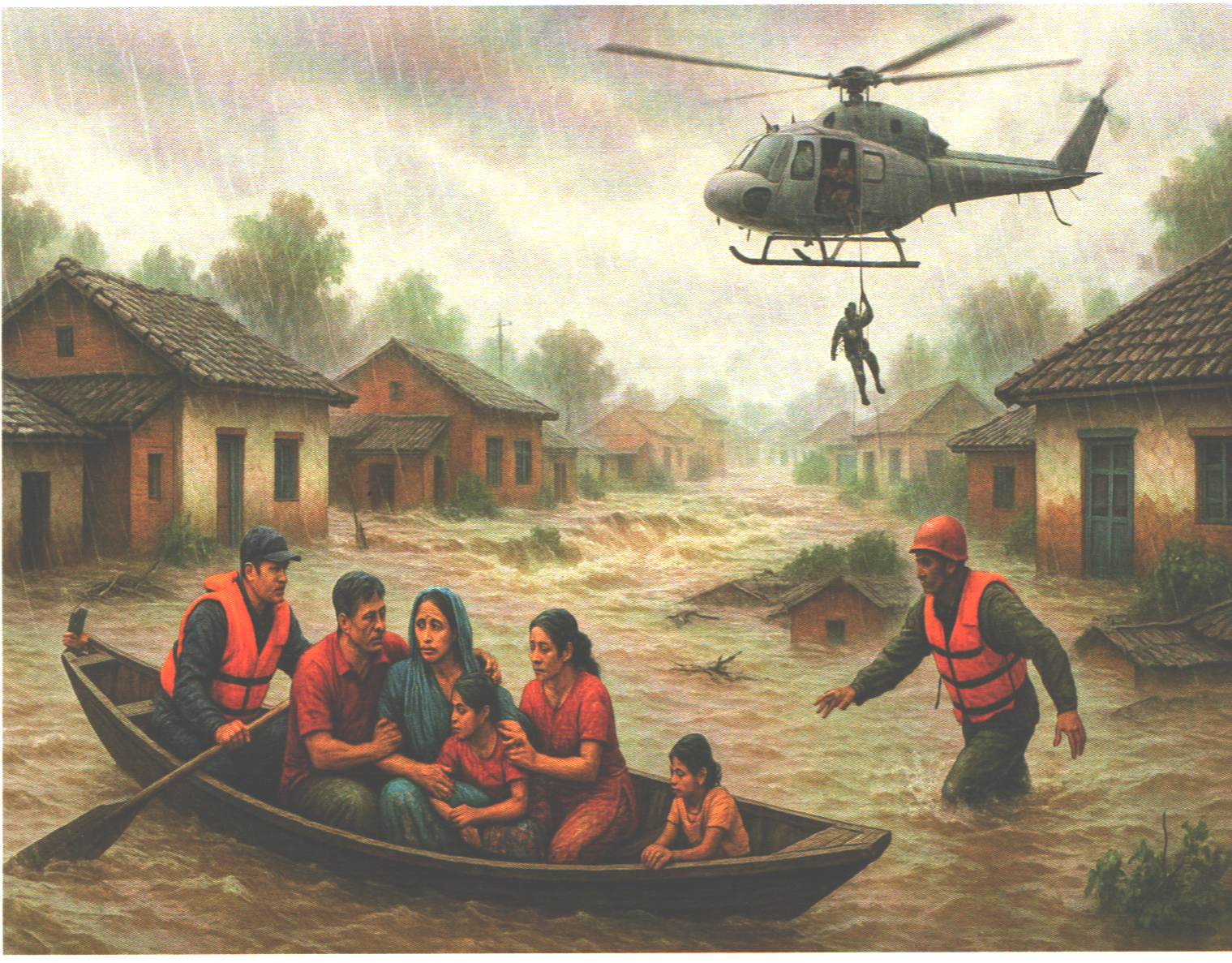
Program Image
Program Details
Climate and Health Literacy
Empowering Communities to Build Climate-Resilient and Healthier Futures
Jeevan Bikas Samaj (JBS) is committed to strengthening community awareness and capacity to address the growing impacts of climate change on health and livelihoods. Recognizing that climate change poses significant challenges to public health, food security, and overall well-being, JBS promotes community-based learning and awareness initiatives that empower people to understand climate-related health risks and adopt appropriate adaptation measures.
Through its Climate and Health Literacy initiative, JBS seeks to bridge the gap between national health adaptation policies and their implementation at the community level.
Why Climate and Health Literacy Matters
Climate change increasingly affects human health, livelihoods, and the well-being of vulnerable communities. Climate-related challenges can intensify existing health risks, disrupt livelihoods, and place additional economic and social burdens on families.
In Nepal, although national-level efforts have been made to integrate climate adaptation into the health sector, effective implementation requires greater awareness and engagement at the community level. Community members and local facilitators need practical knowledge and skills to understand climate-related health risks and respond effectively.
JBS recognizes that informed communities are better equipped to protect their health, strengthen resilience, and adapt to changing environmental conditions.
Community Facilitator Training Manual
To support community-level awareness and action, JBS has developed a Climate and Health Literacy Training Manual for Community Facilitators. The manual serves as a practical resource for facilitating learning sessions and strengthening local understanding of the relationship between climate change and human health.
The manual is intended to help community facilitators communicate key concepts, raise awareness, and encourage practical actions that contribute to healthier and more climate-resilient communities.
Our Approach
JBS promotes a community-centered approach to climate and health literacy through:
Capacity Building: Strengthening the knowledge and skills of community facilitators to communicate climate and health information effectively.
Community Awareness: Encouraging community members to understand the effects of climate change on health, livelihoods, and well-being.
Local Engagement: Supporting community-level efforts to translate health adaptation priorities into practical action.
Knowledge Sharing: Promoting accessible learning resources and locally relevant information on climate-related health risks.
Partnership and Collaboration: Working with development partners and relevant stakeholders to strengthen community resilience and advance climate-responsive health initiatives.
Our Commitment
Jeevan Bikas Samaj believes that building climate resilience begins with informed and empowered communities. Through climate and health literacy, we aim to strengthen local capacity, encourage preventive action, and contribute to a future in which vulnerable communities are better prepared to respond to climate-related health challenges.
Acknowledgement and Collaboration
JBS gratefully acknowledges the support and collaboration of Opportunity International Australia in advancing this initiative. We also recognize the contributions of the individuals and institutional partners who have supported the development of the training resource and the promotion of community-based climate and health awareness.
Through continued collaboration, JBS remains committed to supporting inclusive, informed, and climate-resilient communities across Nepal.
Published: Oct 29, 2026